In today’s fast-paced digital economy, payment processors play a crucial role in facilitating transactions. They act as the bridge between businesses and customers, ensuring that payments are processed securely and efficiently. With the rise of e-commerce and mobile payments, understanding how these systems work has never been more important.
From small startups to large enterprises, choosing the right payment processor can significantly impact a business’s success. It’s not just about accepting payments; it’s about providing a seamless experience that builds trust and encourages customer loyalty. As technology evolves, so do the options available, making it essential for businesses to stay informed about the latest trends and features in payment processing.
Overview Of Payment Processors
Payment processors serve as crucial intermediaries that facilitate transactions between consumers and businesses. They handle the transfer of payment information securely and efficiently, ensuring that funds move from the customer’s account to the merchant’s account without issues or delays.
Payment processors work through several key functions:
- Authorization: Payment processors verify the customer’s payment method and check for sufficient funds or credit limits before approving the transaction.
- Settlement: After authorization, processors initiate the transfer of funds from the customer’s bank to the merchant’s account, often settling the transaction within a few days.
- Reporting: Processors provide detailed reports on transactions, helping businesses track sales, returns, and financial performance.
Two main types of payment processors exist:
- Full-service providers: These processors offer comprehensive services, including payment gateways, fraud protection, and customer support. Examples include PayPal and Square.
- Gateway-only providers: These processors focus solely on transaction authorization, requiring businesses to manage other aspects such as merchant accounts. Examples include Authorize.Net and Braintree.
Selecting an appropriate payment processor is critical for businesses. Factors include:
- Fees: Different processors charge transaction fees, monthly fees, or both. Understanding the cost structure helps businesses budget effectively.
- Integration: The ease of integrating the processor with existing systems, including e-commerce platforms and accounting software, influences operational efficiency.
- Security: Compliance with security standards, such as PCI-DSS, protects customer data and builds trust.
- Customer support: Reliable customer service enhances the overall experience for businesses when issues arise.
Staying informed about trends in payment processing helps businesses adapt to evolving customer preferences. The rise of e-commerce and mobile payment solutions necessitates that companies select processors that accommodate these advancements, ensuring a seamless and secure payment experience for customers.
Types Of Payment Processors
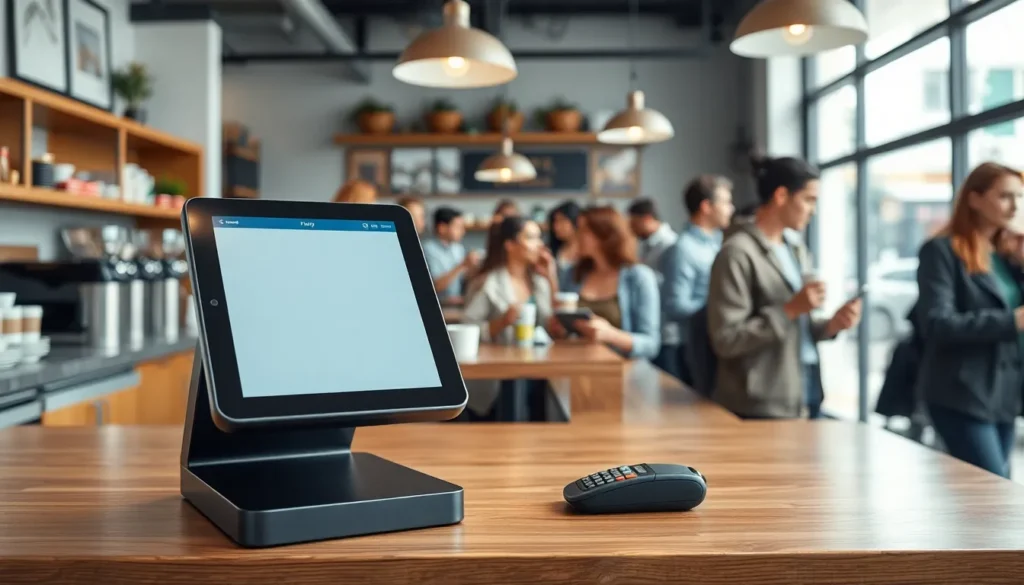
Payment processors fall into various categories, each tailored to different business needs and transaction methods. Understanding these types helps businesses select the most suitable options for their operations.
Online Payment Processors
Online payment processors handle transactions that occur on websites or mobile apps. They facilitate credit card and digital payment methods, allowing customers to make purchases easily. Examples include PayPal, Stripe, and Square. Key features of online payment processors often include:
- Payment Gateway: Securely transmits payment data between customers and merchants.
- Fraud Prevention: Offers tools to detect and mitigate fraudulent activities.
- Multiple Payment Methods: Supports credit cards, digital wallets, and bank transfers.
- Recurring Billing: Automates billing for subscription-based services.
Point Of Sale (POS) Payment Processors
- Hardware Integration: Works with card readers and touchscreen devices for payment acceptance.
- Inventory Management: Tracks stock levels and sales data seamlessly.
- Customer Insights: Collects transaction data for analyzing consumer behavior and preferences.
- Omni-Channel Support: Allows businesses to integrate both online and offline sales processes.
Key Features To Consider
Choosing the right payment processor involves evaluating several key features that impact operational efficiency and customer satisfaction.
Security Measures
Security measures play a crucial role in protecting sensitive customer information during transactions. Features to look for include end-to-end encryption, secure sockets layer (SSL) certification, and compliance with Payment Card Industry Data Security Standard (PCI DSS). Additionally, fraud detection systems and chargeback management tools further enhance security. Robust security features not only protect businesses from data breaches but also build customer trust.
Transaction Fees
Transaction fees directly affect a business’s bottom line. Payment processors typically charge a percentage of each transaction along with a fixed fee per transaction. Businesses should analyze these fees, including monthly rates, chargeback fees, and hidden costs, to understand the total financial impact. Selecting a provider with transparent pricing structures allows businesses to plan budgets more effectively and choose options that minimize costs.
Integration Capabilities
Integration capabilities significantly influence how easily a payment processor can fit into existing systems. Look for processors that offer APIs (application programming interfaces) and plugins compatible with various e-commerce platforms and point-of-sale systems. Compatibility with accounting software streamlines financial management. Strong integration capabilities lead to smoother transitions, efficient workflows, and an optimized customer checkout experience.
Popular Payment Processors
Various payment processors dominate the landscape, each offering unique features tailored to different business needs. Here’s an overview of some of the most popular options.
PayPal
PayPal serves millions of customers and businesses globally, facilitating online transactions swiftly and securely. It supports multiple payment methods, including credit cards, debit cards, and bank transfers. Businesses benefit from features like invoicing, subscription payments, and mobile payment solutions, making it versatile for e-commerce and digital services. PayPal’s strong buyer protection policies enhance customer trust, while its easy integration with numerous e-commerce platforms simplifies setup for merchants.
Stripe
Stripe focuses on developers and offers extensive customization options for online payment processing. It supports various payment methods, including credit cards, digital wallets, and international currencies, expanding reach for businesses worldwide. Stripe provides advanced features like subscription billing, fraud detection, and data insights, which empower businesses to optimize their payment processes. Its seamless integration with numerous platforms and APIs makes it a preferred choice for tech-savvy companies looking for tailored solutions.
Square
Square simplifies in-person and online transactions with a user-friendly interface and comprehensive service offerings. Its integrated Point of Sale (POS) system allows businesses to manage sales, inventory, and customer insights effectively. Square supports contactless payments and recurring billing, adapting to various business models. Its flat-rate pricing structure simplifies fee understanding, while easy integration with e-commerce websites ensures a smooth checkout experience for customers.
Choosing the right payment processor is crucial for any business aiming to thrive in today’s digital landscape. It not only impacts transaction efficiency but also shapes customer trust and loyalty. By understanding the various types of payment processors and their key features, businesses can make informed decisions that align with their unique needs.
Staying updated on industry trends ensures that companies can adapt to evolving customer preferences. As e-commerce and mobile payments continue to grow, selecting a payment processor that prioritizes security, ease of integration, and transparent fees will be vital for maintaining a competitive edge. Embracing these insights will help businesses enhance their payment experiences and foster lasting customer relationships.